
Counseling Programs offered at SUNY Brockport
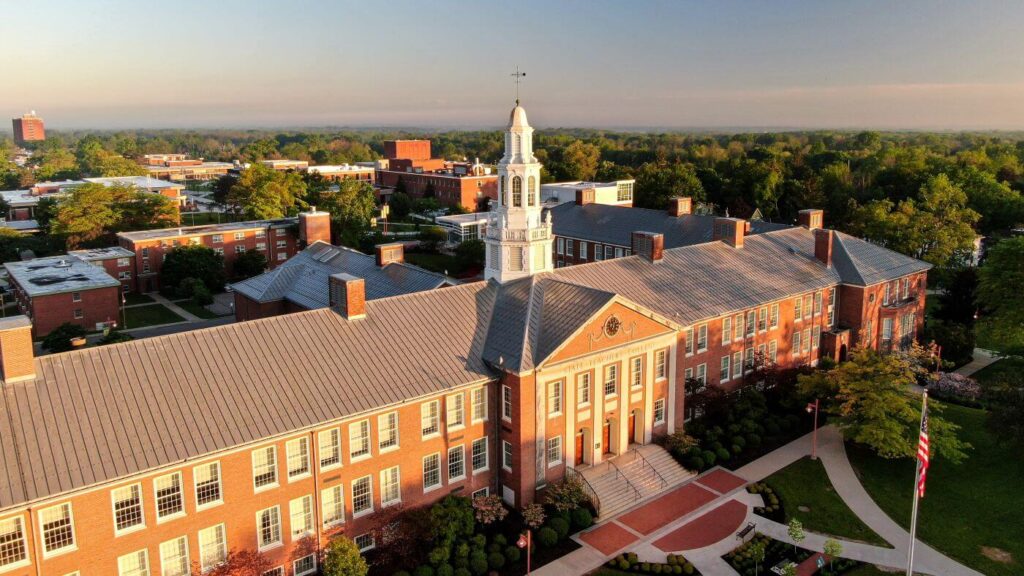
SUNY Brockport’s Department of Counselor Education stands out as the first program in New York State to earn CACREP accreditation. This difference matters because employers throughout the region seek candidates with degrees from CACREP-accredited schools and recognize they enter the field prepared for professional practice. Mental health counseling continues its trajectory as a growing specialty throughout the U.S.. This creates demand for well-trained professionals who can address diverse client needs.
The program’s track record speaks volumes. Alumni from the past three years achieve 100% employment in counseling jobs, while 99% of graduates from the past 12 years work in the field. These outcomes reflect the department’s commitment to preparing counselors who function in settings of all types.
Your trip begins with a course called “Self in Society.” You participate in self-reflection and build a sense of belonging before delving into counseling work. This approach recognizes a fundamental truth: you just need to understand yourself before you can understand others. The experience provides an early introduction to group facilitation and a chance to develop interpersonal skills that are the foundations of counseling.
The department values self-reflection, taking interpersonal risks and addressing issues of privilege, power and difference. You’ll become skilled in counseling theory, diagnostic and assessment procedures, treatment planning, inter-professional collaboration and crisis intervention. The curriculum has coursework in using the Diagnostic and Statistical Manual of Mental Disorders (DSM), counseling in mental health settings and supervision of counseling.
Two semesters of internship in a mental health agency prepare you for professional practice upon graduation. Student-led research is another way to apply your studies, address real-life issues and focus your professional goals. Students examine the efficacy of individual and group counseling approaches and programs designed to support clients’ holistic growth. They present findings at local, regional and national conferences.
After completing your degree, you become eligible to take the New York State exam to become a Licensed Mental Health Counselor. This licensure opens doors to work in certified New York State Office of Mental Health clinics, Personal Recovery Oriented Services and inpatient programs.
What counseling programs does SUNY Brockport offer?
The department structures its counseling programs offered at SUNY Brockport around different career pathways and educational backgrounds. You can pursue a Master of Science (MS) in Mental Health Counseling, which focuses on diagnostic procedures and treatment planning in mental health settings of all types. Students in this track can also apply to become a Certified Alcoholism and Substance Abuse Counselor Trainee.
The Master of Science in Education (MSEd) in School Counseling provides a 60-credit program that guides to original certification as a School Counselor in New York State for those interested in working with K-12 populations. This track prepares you to support students’ all-encompassing growth through individual and group counseling approaches. MSEd students complete all CASAC-T required training hours, all but one of these courses, which may be satisfied in the elective requirement: HCS 545 Psychopharmacology of Drugs and Alcohol.
Current undergraduate addictions and behavioral health majors benefit from accelerated degree options in both mental health counseling and school counseling. At the time of admission to these accelerated programs, you take up to 12 graduate credits of coursework at the undergraduate tuition rate. This pathway saves both time and money and sets you on track for graduate studies.
The department offers advanced certificates for practicing counselors beyond master’s degrees. The Certificate of Advanced Study in Mental Health Counseling requires 15 credits and makes you eligible to apply for the Licensed Mental Health Counselor (LMHC) license. This post-master’s bridge program allows you to add a mental health specialty to your counseling repertoire.
As with the mental health certificate, a 12-credit Certificate of Advanced Study in School Counseling develops advanced skills in diagnosis and family systems counseling. The program has two required online core courses and two electives, offered either online or in the classroom. Students who complete this certificate become eligible for New York State permanent certification. You must already hold a master’s degree in school counseling to pursue this advanced certificate.
Internships/Practicum at Brockport
Counselors-in-training complete four semesters of clinical work as part of their 60-credit master’s degree curriculum. Graduate students preparing to become Mental Health, School, or College counselors serve SUNY Brockport students in need at the Hartwell Training Clinic, where this hands-on experience takes place. The clinic operates Monday through Thursday evenings from 4:30-8:30 p.m. in Hartwell Hall room 3a and offers both walk-in appointments and scheduled sessions.
You complete coursework covering self-awareness, counseling theory and skills, and group counseling theory before stepping into the clinic. Your training extends beyond basic counseling techniques. Coursework addresses multiculturalism and social justice, human experience throughout the life span, career development, and assessment and diagnosis while you’re in the program. Many counselors-in-training pursue additional credentials and take courses to become a New York State Credentialed Alcohol and Substance Use Counselor (CASAC) and a Nationally Accredited Alcohol and Drug Abuse Counselor (NAADAC).
Supervision is the foundation of clinical training. Counselors-in-training work under the guidance of licensed or certified counseling instructors and supervisors throughout their clinic experience. This oversight ensures you meet professional standards while developing therapeutic skills through discussion and practice. You must complete clinical training at the on-campus clinic to graduate from the Department of Counselor Education.
Supervisors provide endorsements that indicate your practicum experience met national CACREP standards when you graduate. School Counselor candidates seeking certification can contact Dr. Summer M. Reiner, who coordinates field experience opportunities, at sreiner@brockport.edu or (585) 395-2258. Graduate students arrange practica through consultation with the Coordinator of Graduate Studies and access placement opportunities at agencies including Orleans County Mental Health, Victor Central Schools, Strong Center for Developmental Disabilities, and Unity Health Systems Outpatient Mental Health Clinic.
What sets SUNY Brockport apart?
National recognition underscores the quality of counseling programs offered at SUNY Brockport. The Addictions and Behavioral Health program earned the #1 ranking in New York State for Substance Abuse/Addiction Counseling programs for 2025. This same program achieved #9 nationally and positions Brockport as a pioneer in addiction and behavioral health education. The Master of Social Work program secured #3 in New York State, reviewed on completion rates, cost of living, institutional competitiveness, program diversity, and faculty expertise.
Recent CACREP survey data reveals strong program outcomes across all three counseling tracks. The Clinical Mental Health Counseling program achieved a 100% licensure examination pass rate and 100% job placement rate for graduates who sought employment in 2021-2022. School Counseling students matched these results with 100% passing licensure exams and 90% securing employment. The College Counseling and Student Affairs program managed to keep a 100% licensure pass rate and 100% job placement rate.
Faculty expertise boosts program quality. Dr. Amy Gaesser, Associate Professor with over 25 years in mental health, specializes in Emotional Freedom Techniques (EFT) for children and adolescents. Her research on EFT’s efficacy in reducing anxiety contributed to the National Center for Complementary and Integrative Health’s determination of EFT as a safe modality to address anxiety. She publishes and presents at international, national, regional, and local levels on stress and anxiety management.
The institution has a student-faculty ratio of 17:1, with 36.4% of classes containing fewer than 20 students. SUNY Brockport has provided training for future educators since 1835 and became among the first institutions in New York to receive full CAEP accreditation. This combination of tailored attention, research-active faculty, and proven outcomes creates an environment where SUNY mental health counseling programs prepare professionals ready to address complex client needs.
Next steps
Ready to apply? The application process for counseling programs offered at SUNY Brockport operates through the Center for Graduate Studies with specific dates to consider. Submit your MS and MSEd applications by April 15 for Fall semester, while CAS applications receive best consideration by July 15. Spring semester deadlines fall on November 15 for MS, MSEd and CAS programs. Summer semester applications for MS and MSEd should arrive by April 15, with CAS following the same date.
Your application package requires several components. Prepare an essay between 700 and 1,200 words that describes your plans for a professional or scholarly career and how SUNY mental health counseling programs can support your goals. The admissions team assesses this writing sample for content, style and general writing ability. You’ll provide an additional spontaneous writing sample if invited to a group interview, which the department uses in its admissions criteria.
Submit official transcripts from all previous institutions. Include contact information for three references in the application portal. School Counselors pursuing the CAS must provide proof of NYS Provisional Certification, either at application or before beginning graduate study. International applicants complete additional materials as specified by the Center for Graduate Studies.
CACREP accreditation has been managed to keep since 1994. This demonstrates sustained commitment to quality standards across three decades. This long-standing accreditation history signals program stability and consistent adherence to professional standards.
Research collaboration sets clinical counseling master’s programs at counseling Syracuse University apart from purely practice-focused alternatives. You gain opportunities for research, writing, leadership and presenting alongside faculty members and doctoral students. These experiences develop scholarly skills that improve your clinical practice and prepare you for potential academic careers.
PhD students receive particular support through the Future Professoriate program, which develops teaching skills essential for academic positions. Graduate assistantships provide solid financial support with excellent medical benefits. Flexible policies allow you to use GA support for summer courses. Financial backing extends to attending and presenting at national conferences and builds your professional visibility while still in training.
The student body reflects global diversity, with members arriving from the United States and around the world. This diversity enriches classroom discussions and clinical training through varied perspectives and life experiences.
Next steps
Syracuse University provides complete counseling education through CACREP-accredited programs that deliver exceptional outcomes. You’ll benefit from expert faculty and clinical training that exceeds 700 hours. Advanced learning facilities support your development. Strong placement rates and research opportunities position you for success in your counseling career. Syracuse offers the training and support—the work to be done to excel in this rewarding profession. You can pursue clinical mental health counseling, school counseling, or doctoral studies.