
Counseling Degrees Offered at Molloy University
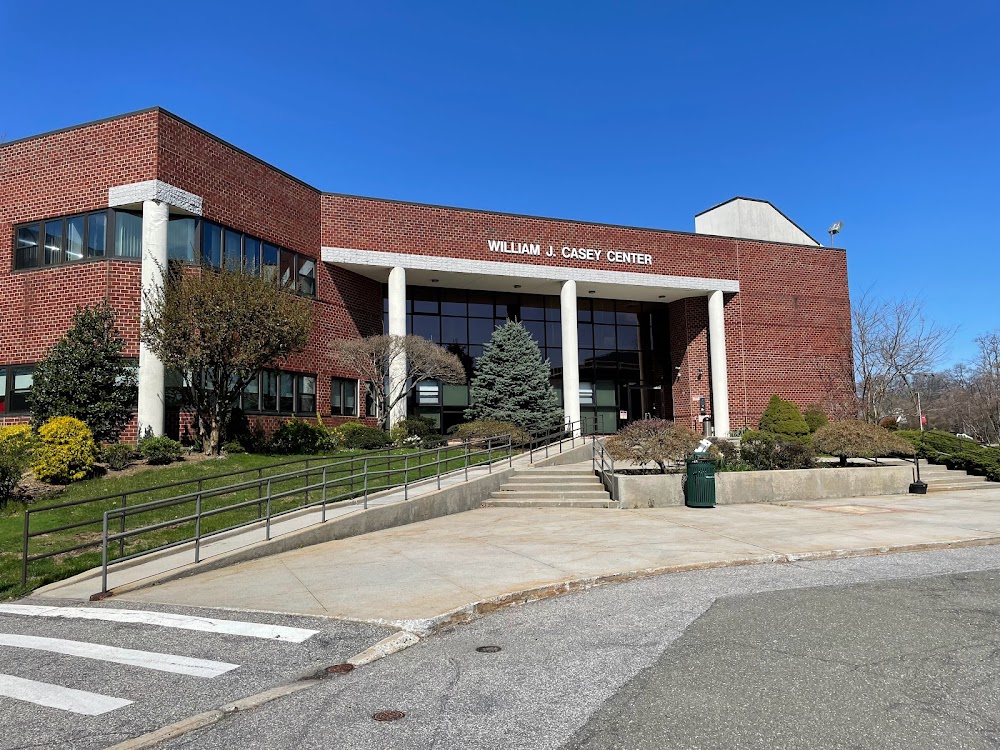
Molloy University’s Master of Science in Clinical Mental Health Counseling (CMHC) program equips students to thrive in mental health settings of all types. This 60-credit program meets every educational requirement needed to become a licensed Mental Health Counselor set by the New York State Education Department’s Office of the Professions. Working professionals can complete their studies with evening classes over three years, with courses scheduled through fall, spring, and summer semesters.
Molloy’s counseling program stands out with its prestigious Council for Accreditation of Counseling and Related Educational Programs (CACREP) accreditation. This credential serves as the gold standard in counseling education and gives students:
- Recognition that the program meets or exceeds national standards
- Confirmation that graduates have met prerequisites for credentialing
- Assurance that the program focuses specifically on professional counseling
The program has earned New York State Education Department’s approval for the diagnostic privilege designation. This designation shows that graduates meet educational criteria for diagnostic authority—a substantial advantage in clinical practice.
The curriculum offers detailed coursework in human growth and development, counseling theory and practice, psychopathology, group dynamics, career development, assessment methods, research methodologies, professional ethics, and foundations of mental health counseling. Students gain hands-on clinical experience through a 100-clock-hour practicum in one semester and a 600-clock-hour internship over two semesters. These supervised field placements take place in mental health settings that Molloy University has pre-approved.
Licensed mental health counselors with rich clinical experience teach courses at Molloy. The faculty shows steadfast dedication to developing knowledgeable, well-prepared professionals through service learning and experiential education. Their commitment to scholarly excellence, compassionate understanding, and competent practice creates a warm, supportive environment where students can grow.
Students benefit from the Mental Health and Wellness Center (MHWC), which provides affordable, quality psychotherapy services to community members. The center gives graduate students valuable chances to provide counseling services under licensed clinicians’ supervision.
Graduates can pursue licensure as Mental Health Counselors in New York State after completing 3,000 post-master’s supervised clinical hours and passing the state licensing examination. The U.S. Bureau of Labor Statistics projects 22% growth for licensed mental health counselors, which substantially exceeds the 5% national average for all occupations.
The CMHC program reflects Molloy’s tradition of “study, spirituality, service, and community”. Students become counselors with professional identity, core knowledge, practical skills, and multicultural sensitivity through transformative education. This matches Molloy University’s mission to promote “lifelong search for truth and the development of ethical leadership”.
Students looking to start a counseling career will find academically challenging courses that blend clinical skills training with evidence-based counseling principles in small classes that make one-on-one mentorship possible. This focus on excellence helps Molloy graduates secure positions in highly competitive clinical settings throughout the New York area.
What counseling programs does Molloy University offer?
Molloy University’s Master of Science in Clinical Mental Health Counseling (CMHC) program helps graduates work in mental health settings of all types. The program blends theory with hands-on practice to create skilled mental health professionals.
Students complete a 60-credit curriculum that meets New York State’s requirements for Mental Health Counselor licensure. Evening classes make this program perfect if you have a day job. You’ll progress with the same group of students over three years, with year-round classes to help you finish on time.
You’ll become skilled at these key counseling areas:
- Professional orientation and ethics
- Human growth and development
- Counseling theory and practice
- Foundations of mental health counseling and consultation
- Assessment and appraisal of individuals, couples, families and groups
- Social and cultural foundations of counseling
- Psychopathology
- Group dynamics
- Lifestyle and career development
- Research and program evaluation
- Clinical instruction
The program’s strong clinical focus sets it apart. Your final year includes a 100-hour practicum during summer (about 7 hours weekly at a clinical site). After that, you’ll complete a 600-hour internship split between fall and spring semesters (300 hours each, roughly 21 hours weekly at a clinical site). These supervised experiences happen at Molloy University-approved mental health locations, giving you vital hands-on training.
The New York State Education Department has approved Molloy University’s CMHC program to add the diagnostic privilege designation. This approval shows that graduates meet all educational requirements for diagnostic authority, which expands their professional scope.
Students get many chances for professional growth. They present their work at regional, statewide, and national counseling conferences. The university places them in competitive clinical settings across New York.
Molloy University teams up with community groups to host an annual Palliative Care Conference. It runs from 8:30 a.m. to 4:00 p.m. at the Madison Theater on Molloy’s Rockville Center campus, usually in late May or early June. Licensed Mental Health Counselors can earn 5.5 hours of CE credit while learning to provide better care to patients and their families.
The program focuses on real-world experience. The Mental Health and Wellness Center in the CMHC department is a chance to work with clients under live supervision. You can provide both face-to-face and tele-mental health therapy sessions. This experience is a great way to get ready for your professional career.
After graduating, you can work in clinics, hospitals, universities, and private practices. As a counselor, you’ll use evidence-based therapy methods to help improve your clients’ lives through individual and group sessions.
Getting your New York State Mental Health Counselor license requires 3,000 supervised work hours after graduation and passing the state exam. The program gives you a full picture of these requirements, helping you succeed in this growing field.
Internships/Practicum at Molloy University
Molloy University’s counseling programs stand out because they combine theory with hands-on training through supervised clinical placements. Students in the Clinical Mental Health Counseling program must complete both a practicum and an internship at pre-approved mental health settings.
Students start their field experience with a practicum of 100 clock hours during a full academic term lasting at least 10 weeks. This one-semester course lets students apply their classroom knowledge to real-life client interactions in mental health agencies. The practicum requires at least 40 clock hours of direct service with actual clients. Direct service means face-to-face work with clients in individual, couple, family, or group counseling settings.
After completing the practicum, students take on a larger internship of 600 clock hours. This year-long experience splits into two courses—Internship I and Internship II—with 300 clock hours each semester. Students must spend 240 of these hours in direct client service. Most students spend about 21 hours weekly at their clinical site.
Supervision plays a key role in these experiences. Both practicum and internship students receive:
- One hour of weekly individual or triadic supervision with their site supervisor
- Group supervision averaging 1.5 hours weekly during the practicum
- Regular meetings with their course professor to review and discuss experiences
Students meet with the Clinical Coordinator early in their second year to find suitable placement options. The process starts with a review of the CMHC practicum and internship list. Students then apply to at least three sites by December 15th.
Students need professional counseling liability insurance throughout their clinical work. They can buy this through student membership with the American Counseling Association. The supervision includes program-appropriate audio/video recordings and/or live supervision of client interactions. Students get ongoing feedback and final evaluations of their counseling performance and knowledge integration.
Molloy University’s Mental Health and Wellness Center (MHWC) offers a unique placement opportunity. Some students complete their practicum or internship here and provide counseling services under licensed clinician supervision. Working at the MHWC requires extra training in HIPAA compliance and child abuse mandated reporting.
Site supervisors must be New York State Licensed Mental Health Counselors (LMHC), Licensed Clinical Psychologists, psychiatrists (M.D.), Licensed Clinical Social Workers (LCSW), or registered professional nurses or nurse practitioners with mental health counseling expertise. These professionals need a master’s degree minimum, preferably in counseling or related fields, relevant certifications/licenses, and at least two years of professional experience.
These clinical experiences help students develop practical skills and meet professional requirements. Program graduates gain substantial supervised experience, putting them on track toward the 3,000 post-master’s supervised clinical hours needed for New York State licensure.
Molloy University students have excellent placement rates across Long Island and New York. Past students often praise the program faculty’s supportive professional and personal environment.
What sets Molloy University apart?
Molloy University’s counseling program has several unique features that make it different from other schools. The Clinical Mental Health Counseling program uses a successful mentorship model that helps each graduate student reach their full potential through individual guidance. This personal approach promotes academic excellence and professional growth in ways that bigger programs can’t match.
The program’s main advantage lies in its flexibility for busy professionals seeking advanced education. Evening classes exclusively make the program available to working students who need to balance their jobs with studies. Students can keep their day jobs while pursuing their education without any compromise.
Small class sizes and intimate learning environments help create one-on-one mentorship opportunities throughout the program. Students receive personal feedback and guidance as they develop their counseling skills and professional identity.
The faculty adds another most important advantage to the program. Teachers bring ground expertise to the classroom with their knowledge of various counseling theories and interventions. These experienced educators push students to examine their beliefs and value systems while learning different therapeutic approaches. This creates an environment where both personal and professional growth thrive.
Molloy’s Mental Health and Wellness Center is a chance that many other schools don’t offer. Students can work with clients under live supervision in both face-to-face and tele-mental health therapy sessions. They develop practical skills and get immediate feedback from qualified supervisors.
The program shows steadfast dedication to equitable and inclusive education in a culturally diverse environment that emphasizes social justice advocacy. These values spread through the curriculum and prepare counselors to serve diverse populations with cultural sensitivity and ethical awareness.
Students gain experience beyond the classroom by presenting at regional, statewide, and national counseling conferences. This exposure to broader professional communities builds their confidence in sharing knowledge with peers.
Molloy places students in New York’s most competitive clinical settings. These high-quality placements improve their job prospects after graduation by providing valuable connections and experiences.
The New York State Education Department approved the diagnostic privilege designation for the program. Graduates now meet educational criteria for diagnostic authority—a valuable credential that expands their career options.
The curriculum combines best practices and ethical standards with hands-on experience and practical coursework. This blend of theory and application creates well-rounded professionals ready to tackle modern mental health counseling challenges.
Students graduate really prepared for professional counseling’s realities, armed with both theoretical knowledge and practical experience. The program’s thoughtful design, experienced faculty, and commitment to excellence make Molloy University a top choice for counseling education.
Next Steps
Want to become a licensed mental health counselor? Molloy University’s counseling program has a clear path to help you get there. The program looks for candidates who show real promise in the field.
Application Timeline and Process
The Clinical Mental Health Counseling program sets an April 1st priority deadline for applications. Your first step is to check out the Graduate Admissions page at Molloy University. You’ll get a confirmation email right after you apply, and your login details will arrive within 24-48 hours.
You’ll need to pay a non-refundable $65 application fee. The admissions team will look at your academic record, personal traits, and professional potential.
Essential Requirements
The Molloy counseling program accepts candidates who meet these standards:
- A baccalaureate degree with a minimum 3.0 GPA from an accredited institution (or successful completion of another master’s degree)
- Official transcripts from all colleges or universities attended
- Current resume detailing relevant experience
- Three academic or professional letters of recommendation from former faculty members or employment supervisors
- A personal statement (maximum 500 words) addressing your background, experiences, personal qualities, and career goals related to mental health counseling
New applicants should create an account for a fresh application. Returning users can log in to finish their existing one. Program faculty will review your complete application.
Academic Prerequisites
The program prefers an undergraduate major in counseling, psychology, or related mental health fields. Students from other backgrounds need to complete three of these six courses with a 3.0 GPA or better:
- Introduction to counseling or psychology
- Life-span development
- Evaluation/assessment in counseling or psychology
- Psychopathology or abnormal psychology
- Statistics in the behavioral sciences
- Experimental design in counseling or psychology
Interview Process
The admission process features a personal interview with the Program Director or a faculty member from the department. You’ll write a spontaneous sample during this interview to show your communication skills.
Once you have your Molloy accounts, Lion’s Den (student portal) gives you access to course registration, registration status, bill payments, unofficial transcripts, and Canvas—Molloy’s Learning Management System.
Financial Considerations
You can pay through MasterCard, Visa, Discover, or ACH Check. The Lion’s Den portal handles all payments after your account setup.
The program is competitive, so get your application materials ready early. Molloy University offers help with registration or application questions.
Good news for prospective students – the GRE requirement was dropped in Fall 2021.