
Counseling Programs offered at Long Island University
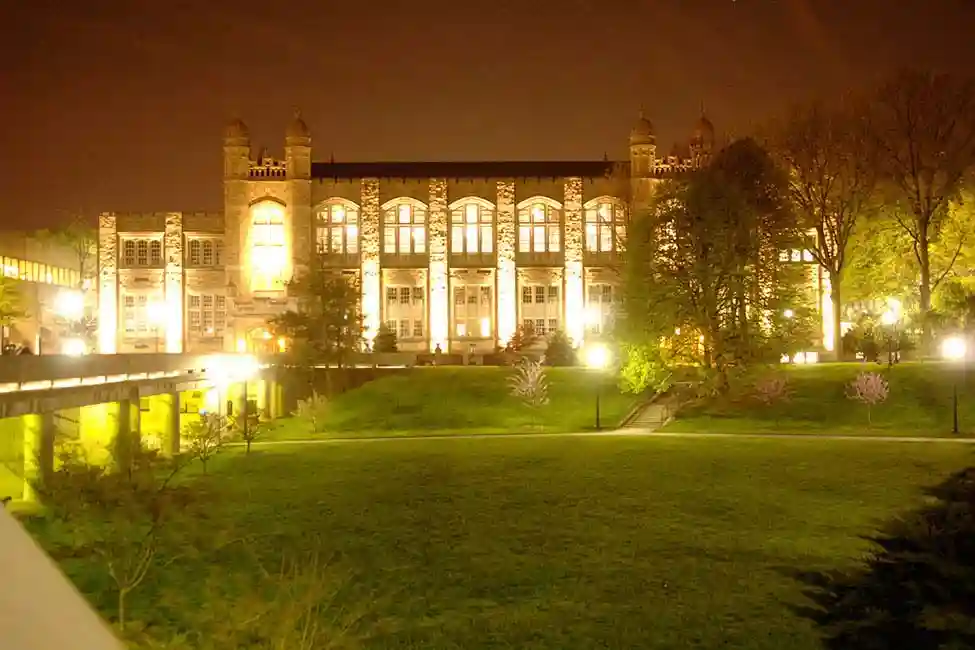
Are you learning about counseling programs at Long Island University to advance your career in mental health or education? School psychologists and mental health counselors are in growing demand by community educational and health organizations. New York State now requires a master’s degree if you work as a marriage and family therapist or mental health counselor. Long Island University offers complete mental health counseling programs on Long Island. This includes a 60-credit M.S. in Mental Health Counseling that gives you the core knowledge for clinical settings. The Long Island University school counseling masters programs include three semesters of fieldwork totaling 700 hours. This guide looks at the counseling programs available and fieldwork opportunities at this school. It also covers what distinguishes LIU’s approach to counselor education.
What counseling programs does Long Island University offer?
Long Island University provides multiple counseling programs at its campuses and prepares students for licensure and certification in New York State. The Department of Counseling and Development has graduate programs accredited by the Council for Accreditation of Counseling and Related Educational Programs (CACREP) at the national level. This accreditation will give students education that meets national standards for professional counseling practice.
The M.S. in Clinical Mental Health Counseling satisfies educational requirements for the New York State Mental Health Counselors License. You need 3,000 hours of supervised experience and a passing grade on the National Clinical Mental Health Counseling Examination for licensure after you complete educational requirements. The program covers professional issues and ethics, counseling theories, human development, counseling skills, group work, and assessment and career development. Coursework has psychopathology, research methods, evidence-based practice and program evaluation to prepare you for clinical settings of all types.
The M.S. in School Counseling program requires 48 to 60 credits based on the campus if you’re interested in educational settings. This program guides you to eligibility for the Initial School Counselor Certificate in New York State. Students complete courses in counseling theories, group counseling, career development, educational tests and measurements, and diversity issues. The program prepares you to work with students in K-12 settings through developmental counseling approaches that are complete.
The M.S. in Marriage and Family Therapy is another 60-credit program that satisfies educational requirements for the New York State Marriage and Family License. You must complete 1,500 hours of supervised experience in marriage and family therapy practice and pass the Examination in Marital and Family Therapy to receive licensure. The curriculum has theoretical foundations, advanced theories and applications, clinical knowledge and skills, couples counseling, and family law. The program emphasizes systemic approaches to working with individuals, couples and families in relationship contexts of all types.
Long Island University has M.S.Ed. programs in School Counseling and School Psychology beyond master’s degrees. The M.S.Ed. in School Counseling is a 60-credit program that prepares students for counseling positions in public and private schools. Students receive training in understanding themselves and their clients through an integrated didactic and experiential approach.
Several Advanced Certificate programs provide additional credentials for counseling professionals. These programs cover Clinical Mental Health Counseling, School Counseling, Marriage and Family Therapy, Bilingual Extension for School Counselors, Bilingual Extension for School Psychologists, and Crisis Management. The Advanced Certificate in Clinical Mental Health Counseling serves as a licensure qualifying bridge program that the New York State Education Department approved. The Advanced Certificate in Marriage and Family Therapy is a 39-credit program that satisfies educational requirements for New York State licensure.
Program availability varies by campus location. LIU Hudson campuses at Rockland and Westchester, along with the West Point educational site, have different program combinations to serve regional needs.
Internships/Practicum at Long Island University
Fieldwork experiences are the substance of counseling education at Long Island University. Students complete three semesters of supervised fieldwork totaling 700 hours as required by NYSED and CACREP. This hands-on training bridges the gap between classroom theory and real-life counseling practice. It prepares you for professional work in schools and mental health agencies.
Practicum Requirements
The practicum course (EDC 669) requires 100 hours of supervised practical counseling experience. This breaks down into 60 hours of observation, interaction and supervision at a school or mental health agency site. You provide 30 hours of direct service through individual and group counseling to clients at that site. You also complete 10 hours of off-site work with clients who will be audio-taped. The 60-hour observation component can be interspersed throughout the semester to help you adapt to the environment where counseling occurs. You must complete this practicum before advancing to internship courses.
Clinical Mental Health Counseling Internships
Students pursuing clinical mental health counseling complete two internship courses: EDC 683 (Clinical Mental Health Counseling Internship I) and EDC 684 (Clinical Mental Health Counseling Internship II). Each internship requires 300 hours in a mental health counseling setting acceptable to the department. The NYSED Office of the Professions mandates that clinical mental health counseling internships include 120 hours of face-to-face contact with clients. You attend seminar meetings and prepare weekly logs directed toward observation and evaluation of field activities. You also involve yourself in related professional readings. You develop a counseling caseload and participate in group work. You attend staff meetings and meet with your field supervisor for evaluation on a regular basis.
School Counseling Internships
School counseling students complete EDC 690 (School Counseling Internship I) and EDC 691 (School Counseling Internship II), with each requiring 300 hours in a school setting. Department requirements state that you complete the 300-hour requirement within the 15-week semester for fall and spring semesters. Students take EDC 690 during fall only. They take EDC 691 during spring only. The expectations mirror those for clinical mental health students regarding logs, caseload development and supervisor meetings.
Supervision and Site Requirements
An intern practicing in New York State must work under the supervision of a licensed and qualified professional. The supervisor remains responsible for client assessment and treatment and must be on-site. Supervision by phone or other technology does not meet NYSED requirements. Site selection requires departmental approval. You cannot have two sites or two supervisors without prior approval from the Chair of the Department of Counseling and Development.
The University purchases a blanket professional liability policy covering students while they participate in supervised practicum or internship. This policy through United Educators Insurance provides $1,000,000 coverage for alleged errors or omissions. Health insurance is required for Clinical Mental Health Counseling students while they complete their fieldwork.
What sets Long Island University apart?
CACREP accreditation distinguishes counseling programs at Long Island University through rigorous quality standards. Both School Counseling and Clinical Mental Health Counseling programs maintain full CACREP accreditation. The program strives to provide the highest quality of faculty and curriculum standards through this accreditation.
The Department of Counseling and Development produces an annual report on program outcomes under the LIU outcomes assessment process, based on a three-year assessment plan and annual data collection. Each year, the reports offer detail regarding outcomes the department is currently assessing, how they are assessed, what the results were, and how those results are interpreted. This method of annual self-reporting has been in place for over ten years and has proven effective in helping the department maintain a full picture of program health.
You receive customized support through the Center for Student Success & Coaching, where your success coach serves as a mentor and resource for every aspect of your college experience. Your success coach is your own experienced and trained career coach that will support you every step of the way. Coaches assist with creating academic success plans and exploring financial aid opportunities. They also help you get involved on campus and prepare for your career.
The Learning Center provides a full range of support services, educational strategies, and opportunities to achieve personal and academic goals. The Center for Healthy Living offers on-campus mental health counseling services, nutrition counseling, religious and spiritual counseling, and access to world-class medical and health support. This collaboration has partnerships with local health organizations and professionals.
The Counseling Department maintains a 12:1 FTE ratio. This creates small class sizes with customized attention. Faculty members hold diverse specializations and professional certifications, with several receiving recognition including the David Newton Award for Teaching Excellence.
Next steps
Long Island University’s counseling programs provide detailed education that meets New York State licensure requirements. CACREP accreditation will give you nationally recognized training in clinical mental health counseling, school counseling, or marriage and family therapy. The 700-hour fieldwork requirement bridges classroom theory with ground practice. Success coaches and small class sizes boost your learning experience through tailored support. These programs ended up positioning you for successful careers. You’ll serve diverse communities in educational and mental health settings.