SUNY Oswego Counseling Programs
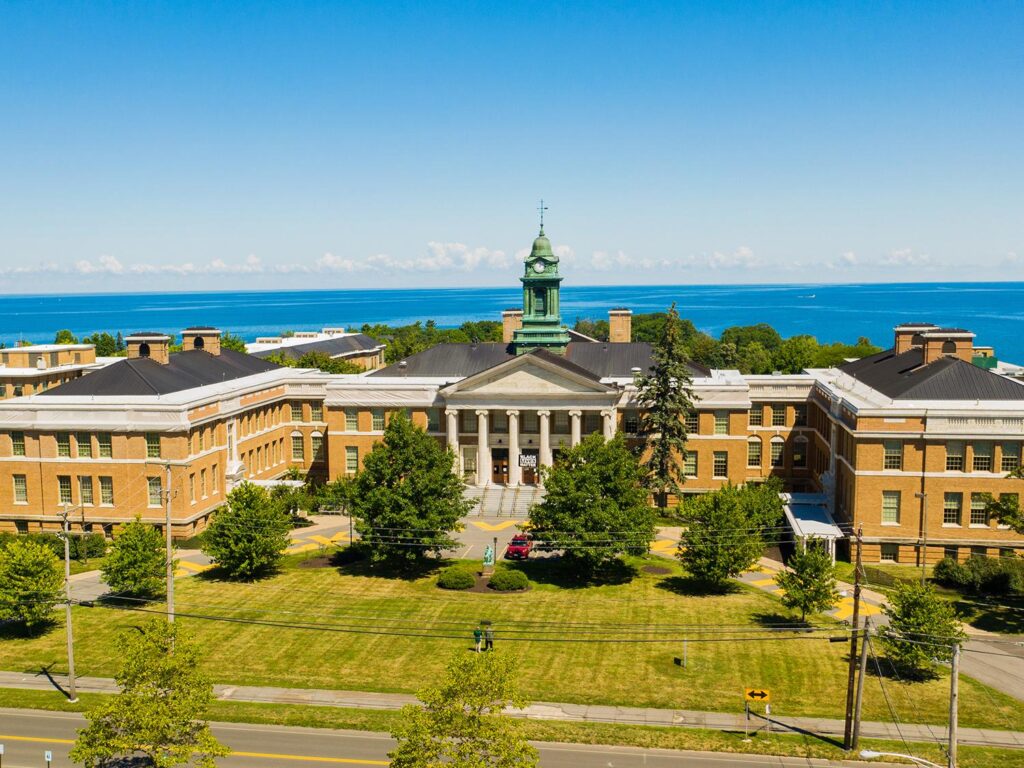
SUNY Oswego’s Counseling and Psychological Services (CPS) Department provides graduate-level training in three distinct areas of professional practice. Students can pursue degrees in Mental Health Counseling, School Counseling and School Psychology. Each program is designed to meet specific career pathways in the counseling field.
The Mental Health Counseling program stands out as a CACREP-accredited option available at both the main Oswego campus and the Syracuse campus. This accreditation from the Council for Accreditation of Counseling and Related Educational Programs signals that the SUNY Oswego mental health counseling program meets nationally recognized standards for counselor education. Small class sizes create opportunities for direct interaction with faculty members. You can build professional relationships and develop core competencies.
The program requires 60 credits to complete, which incorporates theoretical coursework among practical application. You’ll develop skills in active listening, problem-solving, treatment planning and case consultation through structured coursework and hands-on experience. Oswego partners with local counseling practices where you’ll participate with real-life clients in authentic clinical settings. You learn about the daily realities of mental health counseling work.
Graduates from these counseling programs at SUNY Oswego will be prepared to pursue professional licensure. The Mental Health Counseling curriculum satisfies New York State educational requirements and positions you to sit for the licensing examination upon program completion. Those interested in substance abuse counseling can take additional coursework that prepares students to take the state exam for Credentialed Alcohol and Substance Abuse Counselor (CASAC) certification.
The CPS Department offers flexibility in degree combinations. You can earn a Mental Health Counseling MS degree, School Counseling MS degree, School Counseling certificate of advanced study (CAS), combined School Counseling MS degree and CAS, School Psychology MS degree, or School Psychology MS degree and CAS. This range of options allows you to tailor your educational path to match your specific career objectives in the counseling profession.
Each program within the department builds upon psychological and educational foundations while incorporating specialized training relevant to your chosen concentration. This prepares you for diverse professional settings after graduation.
What counseling programs does SUNY Oswego offer?
The School Counseling program spans 48 to 60 credits and prepares you to work in K-12 educational environments. You’ll receive supervised practice in both individual and group counseling. The program addresses three core domains: academic achievement, career development, and social-emotional well-being. The curriculum builds on counseling theory, group process, appraisal, and vocational development. It teaches you to develop informed interventions. You become eligible to apply for New York State certification as a school counselor after you complete this program.
School counselors work from an informed point of view to assist all students. The program trains you to develop, manage, and assess school counseling interventions as part of a solid school counseling framework. This hands-on approach will give you an understanding of how to implement programs that make measurable differences in student outcomes.
The School Psychology program takes a different path while the School Counseling track focuses on educational settings. This option offers either a standalone Master of Science degree or an MS combined with a Certificate of Advanced Study. The curriculum covers theoretical and applied areas that include psychological and educational foundations, systems and organizations, exceptionality, and assessment and psychodiagnosis. You’ll also study counseling, consultation, and intervention development through supervised practicum and fieldwork in school settings.
SUNY Oswego extends your professional development through specialized graduate certificates beyond these core degree programs. You can pursue credentials in play therapy, trauma studies, and behavioral forensics. These certificates allow you to develop niche expertise that complements your primary degree.
Research demonstrates that CACREP graduates perform better on the National Counselor Examination for Licensure and Certification (NCE). This performance advantage matters when you sit for your licensing exam after graduation. The Mental Health Counseling program positions graduates for careers as Licensed Mental Health Counselors, Mental Health Professionals, or New York State Credentialed Alcohol and Substance Abuse Counselors.
Each program maintains a student-centered, developmentally based philosophy. Faculty members create an atmosphere that supports ongoing professional and personal growth throughout your graduate studies. To name just one example, the training emphasizes developing you as both a skilled practitioner and an ethical professional who can promote optimal functioning of individuals, families, and groups in a variety of community settings[81].
Internships/Practicum at Oswego
Experiential learning is the foundation of clinical training in the SUNY Oswego mental health counseling program. Students participate in field experiences every semester. They start with a pre-practicum during their first term and continue throughout the degree program. This consistent hands-on exposure bridges classroom theory with professional practice.
Clinical instruction requires 1000 clock hours and accounts for 12 of the 60 credits needed to graduate. These supervised experiences split into two distinct phases. The practicum (CPS 512) demands 120 clock hours, with a minimum of 40 direct client contact hours and 80 indirect hours. Direct activities include individual counseling, group counseling, client intakes and assessment work. Indirect hours encompass case consultation, treatment planning and professional development activities.
After you complete the practicum, you move into the internship phase (CPS 515), which spans 600 clock hours. This extended placement allows you to perform the full range of counseling activities that licensed professionals handle. You receive approximately one hour of weekly supervision on a regular schedule throughout both phases.
Oswego partners with local counseling practices where you work with real clients in authentic clinical settings. Area employers that provide these experiences include the Child Advocacy Center, Cayuga Counseling Services, Crouse Hospital and Integrative Counseling Services. Integrative Counseling Services operates four offices in Oswego, Fulton, Cicero and Auburn and offers diverse placement options.
The placement selection process centers on your priorities. Faculty members think about your expressed interests regarding clinical population, treatment setting and supervision style when they recommend placements. The developmental approach begins with observation, progresses to co-counseling and advances toward independent practice under supervision.
Faculty members maintain active counseling practices among their teaching responsibilities. “Having professors that are active, who take clients and do counseling on a regular basis and then teach us, is so beneficial,” noted graduate student Allison Meyers. This dual role enables instructors to relate course content to current field realities. Licensed Mental Health Counselor Stephanie Gamboa emphasized how “working with clients in an internship setting allowed me to understand what this career is about and what it has to offer to a community, as well as my professional development”.
What sets SUNY Oswego apart?
CACREP accreditation distinguishes the SUNY Oswego mental health counseling program from non-accredited alternatives. The department measured its curriculum against more than 150 standards that the accreditor prescribes for professional competence. This rigorous evaluation process opens specific career pathways that require graduation from CACREP-accredited programs, particularly federal positions. On top of that, the accreditation makes licensure easier in other states for graduates who relocate after they complete their degrees.
Faculty involvement sets counseling programs at SUNY Oswego apart from institutions where professors focus only on academic instruction. Active practitioners who maintain their own client caseloads teach coursework and bring current field experience into the classroom. This dual role creates an environment where instructors understand how to relate to people on a one-to-one basis. Students feel heard, understood and safe.
The program places substantial emphasis on developing you as a counselor beyond technical skills. Faculty focus on “self as counselor” and recognize that your personal growth affects your effectiveness with clients. Therefore, you receive continuous feedback from your first course through graduation. This covers both academic performance and personal development as a professional. This approach acknowledges that you bring yourself as the primary instrument of change when you enter a counseling relationship with a client.
Research presentation opportunities extend beyond the classroom. Students present their work at regional conferences and state and national venues. What’s more, the program offers low tuition compared to private colleges while it maintains nationally accredited standards. Research shows CACREP graduates perform better on the National Counselor Examination for Licensure and Certification. This gives you a measurable advantage when you pursue licensure.
Next steps
SUNY Oswego gives you the credentials, clinical experience and professional skills needed for a successful counseling career. The CACREP-accredited Mental Health Counseling program, along with School Counseling and School Psychology options, combines rigorous academic standards with hands-on practice. You receive quality training that positions you for licensure and professional success through 1000 supervised clinical hours, active practitioner faculty and affordable tuition. These programs prepare you to make meaningful differences in the lives of clients and communities you’ll serve.