
University at Albany Counseling Programs
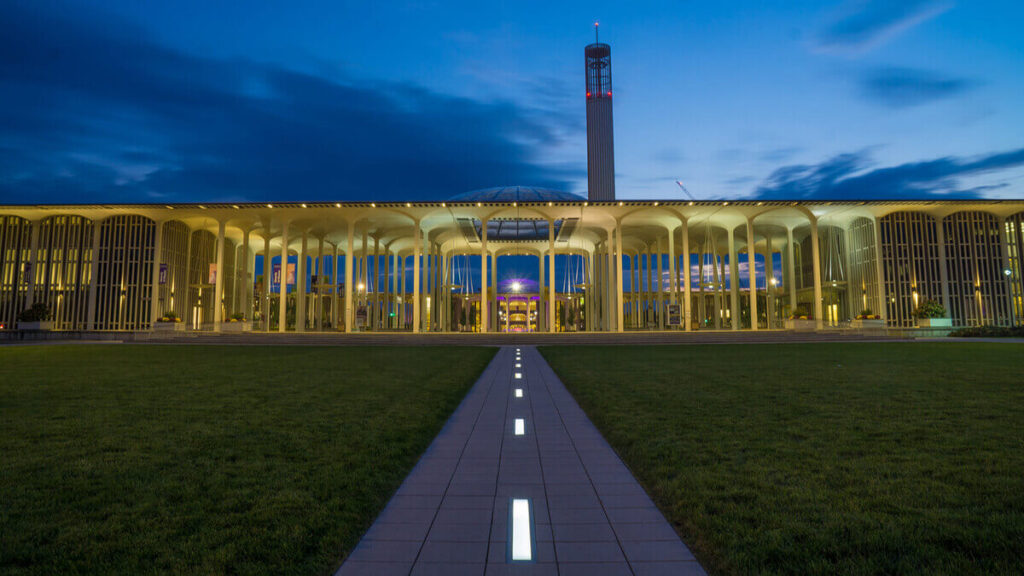
The Department of Educational & Counseling Psychology at University at Albany operates as a multidisciplinary unit devoted to research, teaching, and service in applying psychological principles to promote lifelong growth, learning, and development in a variety of life roles and contexts. Counseling Psychology, Educational Psychology and Methodology, School Psychology, and Special Education are the foundations of this department.
The counseling division offers accredited graduate-level scientist-practitioner preparation programs focused on Counseling Psychology and Mental Health Counseling. The PhD program in Counseling Psychology has managed to keep continuous accreditation by the American Psychological Association since 1980. This 81-credit program delivers integrated scientist-practitioner training in psychology as a scientific discipline and in counseling psychology as an area of professional specialization.
The training model operates on several core perspectives. First, the scientist-practitioner approach combines training in both intervention methods and scientific asking, where professional practice involves being informed by and contributing to scientific knowledge. Questions of science and practice function as complementary and interdependent elements rather than separate domains.
Second, the programs emphasize human growth and development by focusing on client assets and strengths. The training prioritizes patterns of normal development, though recognizing abnormality and pathology remains essential. Students learn about theory and methods relating to both prevention and remediation of intra- and interpersonal human concerns.
Third, understanding the person within their particular context shapes the training approach. You’ll get into the individual, their environmental context, and the interaction between the two, whether the context involves education, occupation, relationships, family, culture, or other systems.
The 60-credit Mental Health Counseling Program has received approval from the New York State Office of Professions and prepares you for licensure in Mental Health Counseling. This program integrates behavioral science theory and knowledge with practitioner skills, assuming that effective counselors possess a strong understanding of the theoretical and scientific basis of professional concepts and techniques.
Diversity pervades the programs through opportunities to explore individual and cultural diversity issues, learn various theoretical orientations, pursue different research topics and methods, work with diverse client populations, practice in multiple settings, and involve varied professional roles. Quality training follows a sequential and detailed design where coursework, applied practice, and professional development activities promote graduated learning tasks.
What counseling programs does University at Albany offer?
University at Albany structures its counseling programs at undergraduate, master’s, doctoral, and certificate levels. You can pursue a Human Development BS degree at the undergraduate level with a fully online option available. This foundation prepares you for graduate work in mental health counseling and related fields.
The master’s level offers several pathways. You can select from Educational Psychology and Methodology MS, Mental Health Counseling MS, or multiple Special Education tracks that include Inclusion and Special Education, and Special Education and Literacy. All master’s programs operate in-person.
The Mental Health Counseling MS stands out as a 60-credit program that merges behavioral science studies with practical counseling skills in supervised settings. The New York State Office of Professions has approved this program as preparation for licensure as a mental health counselor (LMHC). Your coursework spans behavioral science studies that cover lifespan human development, behavioral disorders, substance abuse, and career development theory. You also complete counseling theory and practice courses that include research principles, multicultural perspectives, group counseling foundations, and assessment techniques.
The program requires fieldwork through supervised practicum and internship agency placements. The School of Education secures these placements for all master’s students. You must also complete a two-hour mandated training program in child abuse reporting and pass a detailed examination while maintaining active status. The program offers generous transfer credits and allows you to transfer up to 29 graduate psychology credits that match specific course requirements.
Current UAlbany undergraduate students with at least a 3.5 GPA can access an accelerated option. This lets you begin graduate coursework in your senior year. Up to 12 academic credits count towards both degrees and are billed at the undergraduate rate.
The university at albany counseling psychology phd requires 81 credits at the doctoral level and provides APA-accredited training. The School Psychology PsyD operates as another doctoral option, while the School Psychology CAS serves students seeking certificate-level credentials. Both doctoral programs emphasize in-person training and prepare you for licensure and professional practice in settings of all types.
Internships/Practicum at University at Albany
Practical training is a non-negotiable component of counseling programs at University at Albany. The Mental Health Counseling program mandates completion of an internship, field experience, study abroad component, or clinical experience requirement.
University at Albany’s health and well-being units deliver training programs, internships, graduate assistantships and practicums for students from backgrounds of all types. Counseling & Psychological Services (CAPS) provides exceptional training experiences to prepare the next generation of psychologists through Doctoral Internship in Health Service Psychology and Advanced Psychology Practicum.
Doctoral students in the university at albany counseling psychology phd program complete advanced counseling practica (ECPY 805 and 806) at the university-operated Psychological Services Center. This Center offers services to the community and functions as a training facility for graduate students in counseling and clinical psychology programs. Licensed psychologists on faculty provide direct supervision.
Practicum opportunities in specialized procedures (ECPY 808) operate in community-based settings beyond the Psychological Services Center. These include in- and out-patient assessment and interventions at hospitals, residential treatment facilities and other community agencies.
The culminating internship experience requires APA accreditation. It consists of one year of full-time or two years of half-time supervised experience equivalent to 2,000 hours of work. You complete this internship after finishing all course requirements and doctoral practica, and after passing the Doctoral Qualifying Examination. You must achieve candidacy status before beginning the internship. You enroll in ECPY 895 for one credit hour during each semester spanned by your internship.
Master’s students complete CPY 606 Internship in Counseling, which provides fieldwork experience in educational or community agencies. Both agency personnel and University faculty supervise this experience. This course remains restricted to matriculated students in the Mental Health Counseling MS program and requires completion of multiple prerequisite courses.
Recent doctoral internship placements demonstrate the program’s national reach. Sites include Mount Sinai Morningside and West Hospital Center (NYC), Harvard Medical School/Massachusetts General Hospital (Boston), VA Western New York Healthcare System (Buffalo), Charleston Internship Consortium (SC), University of California at Los Angeles (UCLA), University of Colorado at Boulder, White River Junction Veterans Medical Center (VT), Albany Psychology Internship Consortium (state hospital and VA hospital), Catholic University (Washington, DC), Towson University (MD), University of Rochester (NY), and California State University-Northridge.
What sets University at Albany apart?
Accreditation credentials position University at Albany’s counseling programs among nationally recognized institutions. The Counseling Psychology PhD program has managed to keep continuous accreditation by the American Psychological Association since 1980. This shows decades of consistent quality standards. The Clinical Psychology specialty ranks #59 nationally. The institution holds R1 classification status, which signals its commitment to research excellence in the STEM space and opportunities for underrepresented students.
Recognition extends beyond academic rankings. Princeton Review named University at Albany to its Mental Health Services Honor Roll for the second consecutive year. The review identified only 30 institutions nationwide that demonstrate strong commitment to student mental health and well-being. This difference reflects the university’s comprehensive support approach through detailed counseling services and peer assistance programs.
Accessibility features distinguish the Mental Health Counseling MS program from comparable offerings. You can transfer up to 29 graduate psychology credits determined to be equivalent to specific course requirements. Application requirements welcome students who majored in fields other than psychology and require only 15 or more psychology credits. These credits must comprise coursework in statistics, abnormal psychology and personality theory. On top of that, you need only submit general GRE scores without the psychology subject test.
International opportunities broaden your training scope. The doctoral program maintains an exchange agreement with Universidad de La Coruña in Spain since 1999. This allows third-year students fluent in Spanish to train for two months to one year in the interdisciplinary Postgraduate Family Intervention Program.
Next steps
University at Albany delivers complete counseling education through APA-accredited doctoral programs and state-approved master’s pathways. Your training combines scientific preparation with practical experience at recognized internship sites. The programs emphasize the scientist-practitioner model and cultural diversity while providing contextual understanding of human development. Flexible transfer credits, available admission requirements, and international exchange opportunities position these programs as valuable preparation for professional licensure. They prepare you for influential careers in counseling psychology and mental health services.