
Exploring Counseling Programs at Hunter College
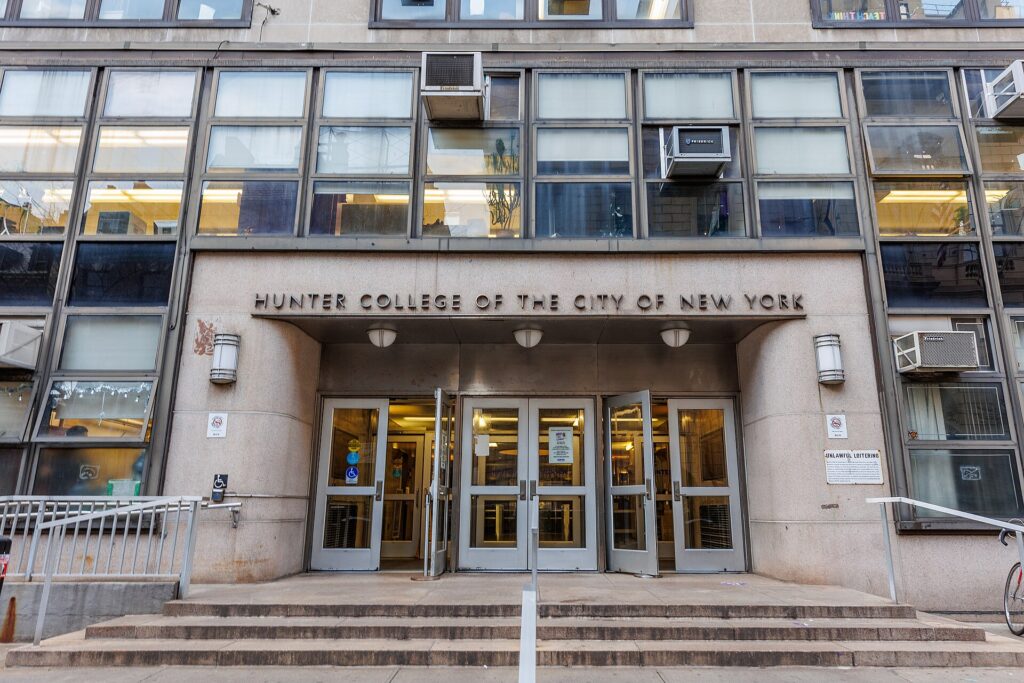
Hunter College mental health counseling programs show strong dedication to diversity. Racial-ethnic minorities represent 56% of degree recipients, which is 21% better than the national average. This diversity enriches the learning environment and prepares you to serve varied communities.
The Hunter College master’s in mental health counseling program will equip you with cultural competencies and self-awareness. You’ll learn everything you need to build collaborative relationships with clients. The Hunter College mental health counseling masters curriculum combines rigorous coursework with field placements. You’ll be prepared to work with individuals and families in a variety of settings that include agencies, hospitals and private practice.
This guide explores the counseling programs available at Hunter College and what distinguishes them from others, including accreditation status and internship opportunities.
What counseling programs does Hunter College offer?
Hunter College offers three distinct graduate counseling programs. Each one prepares you for specific career paths in the mental health and counseling field. The School Counseling and Rehabilitation Counseling programs hold accreditation from the Council for Accreditation of Counseling and Related Educational Programs (CACREP) through March 31, 2027.
The School Counseling MSEd program prepares you to work with students and families in educational environments from Kindergarten through college. You can find employment in schools K-12 and college settings, as well as correctional facilities, hospitals and community organizations. This program requires completion of a minimum of 700 field hours over three semesters through Practicum and Internship courses. Your fieldwork spans two different settings: K to 5 (elementary) OR 6 to 8 (middle) AND 9 to 12 (high school). The program results in New York State certification in School Counseling PreK-12 upon graduation. Courses are offered in the afternoon and evening. The program admits students each fall semester.
The Hunter College mental health counseling program comes in two formats: an MSEd degree and an Advanced Certificate. The Hunter College master’s in mental health counseling prepares you to work as a mental health counselor in hospital, agency and community settings, as well as private practice. Professional licensure is required to practice mental health counseling in New York State. This program makes you eligible for the Licensed Mental Health Counselor (LMHC) credential. You complete a minimum of 700 field hours over three semesters. The practicum requires 100 hours in one semester. A two-consecutive semester internship follows that requires 300 hours per semester. The Hunter College mental health counseling masters program admits students each fall semester.
The Clinical Rehabilitation Counseling MSEd program prepares you to assist people with disabilities. You help them realize personal goals and maximize their physical, emotional, social, intellectual and vocational potential. This CACREP-accredited program trains you to provide person-centered counseling and rehabilitation services to individuals with disabilities and their families. Rehabilitation counselors work in community-based settings of all types. These settings include State-Federal vocational rehabilitation agencies (such as ACCES-VR), hospitals, rehabilitation centers, schools, colleges, chemical dependency agencies, career/vocational counseling programs and independent living centers. You complete one semester of practicum (100 hours) and two semesters of internship (600 hours). A Certified Rehabilitation Counselor (CRC) with minimum 2 years experience provides supervision. Courses are offered in the afternoon and evening, with admissions each fall and spring semester.
Candidates who complete the Clinical Rehabilitation Counseling master’s degree may pursue a one-year Advanced Certificate in Mental Health Counseling. This makes them eligible for the LMHC credential in New York State. This Advanced Certificate requires at least 17 credits and has two semesters of fieldwork experiences.
Internships/Practicum at Hunter College
Your clinical training unfolds across three semesters. It begins with a one-semester practicum and continues with a two-consecutive semester internship. You gain hands-on experience in supervised practice at agency placement sites throughout New York City.
Practicum serves as your original fieldwork experience. It requires 100 hours in the clinical setting where you develop basic counseling skills. You must complete 40 hours of direct client contact during this semester. Students spend one full day each week at their placement site, roughly. You meet face-to-face with your on-site supervisor each week for a minimum of one hour. You also attend weekly Practicum Seminar sessions scheduled at 5:20-7:00 PM or 7:15-8:55 PM throughout the semester.
Through collaboration with the fieldwork coordinator, you identify your placement. You need registration permission before you can enroll in practicum courses. The application process begins with attending one fieldwork orientation session. You learn about the fieldwork search and application procedures there. You can choose from pre-approved fieldwork sites or propose a new site that needs approval from the Fieldwork Coordinator. Application deadlines fall on the first Thursday in December or May, the semester prior to starting.
You become eligible to start your internship the following fall semester after successful completion with a grade of B or higher in practicum. Internship spans one academic year across two consecutive semesters. It starts in fall and ends in spring. This experience requires 600 hours total, with 300 hours per semester. These hours include a minimum of 240 hours of direct service, broken down as 120 hours per semester. Students spend three full days each week at their placement site, roughly.
Your client caseload varies with your weekly commitment. You maintain 5 to 6 ongoing individual clients at 8 to 10 hours per week. You handle 8 to 10 ongoing individual clients at 20 hours per week. You continue meeting weekly with your site supervisor for one hour of individual supervision. Like practicum, you attend weekly Internship Seminars scheduled at 5:20-7:00 PM or 7:15-8:55 PM during both fall and spring semesters.
Credit for each semester depends on recording the required hours and receiving a satisfactory evaluation from your field supervisor. You must also meet all seminar requirements. You must pass practicum and internship courses with grades no less than B. Some agencies request more than the minimum hours. This requires negotiation between you and the placement site.
What sets Hunter College apart?
Site supervisors rate Hunter College counseling students higher than peers from other institutions. 68% of supervisors found Hunter interns were better prepared or substantially better prepared compared to interns from other programs. Only 1.72% rated them as less prepared. This feedback shows the program’s success in producing work-ready professionals.
Site supervisors evaluated specific competencies and found that 90% of Hunter interns always prepared or always showed the required knowledge and skills across seven assessed components. Candidates showed particular strength in supervision at 96% and professional work behaviors at 95%. Professional identity and ethics came in at 94%, while self-awareness reached 91%. These high ratings reflect how the Hunter mental health counseling program focuses on developing well-rounded counselors who excel in clinical settings.
The Hunter College master’s in mental health counseling mission centers on training clinicians who serve diverse populations that reflect New York City’s fabric. The program values cultural humility, empathy, critical thinking, self-awareness and ethical practice. You receive training that encourages evidence-based therapeutic interventions and offers practical solutions to everyday concerns while promoting personal insight and overall well-being.
Alumni satisfaction data reinforces the program’s quality. An impressive 88% of graduates felt they received a culturally relevant educational experience. That same percentage would recommend the mental health counseling masters program to others interested in the counseling profession. Employment outcomes prove strong. 79% of alumni work in counseling-related occupations. 80% of these positions require certification or licensure, showing graduates secure professional-level roles.
Your location in New York City provides access to diverse populations and community resources that enrich your training experience. The urban environment offers a rich array of available opportunities for students and the people they serve. This exposure prepares you to work with people from varied backgrounds, a skill valued more in the counseling field.
Next steps
Hunter College’s counseling programs combine CACREP-accredited training with extensive field experience in one of the world’s most diverse cities. You develop cultural competencies and practical skills through 700+ clinical hours, and supervisors rate these abilities above peers from other institutions. These pathways prepare you to serve varied communities, with 79% of graduates working in counseling-related positions and 88% recommending the program. Your experience toward professional licensure begins in an environment where diversity enriches learning and clinical practice.