
Counseling Programs offered at St. Joseph’s University New York
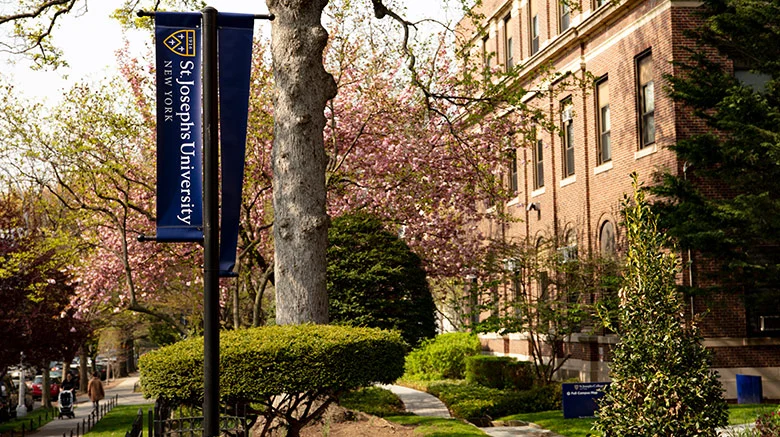
Finding the right counseling programs at St. Joseph’s University New York can shape your future career in mental health and professional development. St. Joseph’s University NY provides value-oriented education rooted in a liberal arts tradition that emphasizes career preparation and improvement. The Sisters of St. Joseph founded the university in 1916. The university maintains a 14:1 student-to-faculty ratio, which allows professors to serve as mentors and advisers throughout your academic experience. St. Joseph’s tuition rate ranks among the lowest of independent colleges and universities in the metropolitan area. You’ll find programs designed to prepare you for meaningful work in the field, whether you’re interested in traditional counseling tracks or specialized options like an industrial organizational psychology certificate.
What counseling programs does St. Joseph’s University offer?
St. Joseph’s University offers two distinct graduate counseling programs designed to prepare you for professional practice in mental health and educational settings. Both programs combine rigorous academic coursework with extensive supervised field experience to meet state and national certification requirements.
Master of Science in Clinical Mental Health Counseling
The MS in Clinical Mental Health Counseling is a 60-credit program that prepares you to work with individuals, couples, families and groups facing various challenges. You’ll develop skills to address stressors and problems of living, addictions and relational difficulties. The program also covers self-harm and thoughts of suicide, plus mental health disorders such as anxiety and depression. The program gives you the ability to assess, diagnose and treat mental health disorders while coordinating care with other health professionals through treatment plan development and implementation.
The program meets Pennsylvania Board of Social Workers, Marriage and Family Therapist and Professional Counselors education requirements for the Licensed Professional Counselor (LPC) credential. On top of that, it satisfies National Board Certified Counselors education requirements for the National Certified Counselor (NCC) and Certified Clinical Mental Health Counselors (CCMHC) credentials.
You’ll complete 700 hours of clinical experience through supervised practicum and internship courses. The curriculum covers ethics, counseling theories and techniques, lifespan counseling and career counseling. You’ll also study group counseling, assessment practices, cultural diversity and social justice. Research and program evaluation, crisis counseling, psychopathology and sexuality counseling round out the core requirements. Family and couples counseling plus addictions counseling complete the curriculum. Three elective courses allow you to specialize in areas like family systems and addictions, psychopharmacology or foundations of school counseling.
The program is offered online with two two-day on-campus residencies. Current undergraduate students at St. Joseph’s can begin earning credits toward their Clinical Mental Health Counseling MS during their senior year through the 4+2 program. An optional built-in certificate in addiction counseling provides additional specialization.
Master of Science in School Counseling
The MS in School Counseling prepares you to design, implement and assess complete school counseling programs in PK-12 schools. You’ll apply instructional and school counseling interventions while using data-informed strategies to promote student learning outcomes.
This 60-credit program has 100 practicum hours and 600 internship hours, totaling 700 hours of field-based experience in PK-12 schools. You’ll complete all coursework needed for K-12 certification as a school counselor in Pennsylvania. The Pennsylvania Department of Education approves the program, though it is not CACREP-accredited.
Classes are offered online in a cohort model with two on-campus, two-day residencies. You’ll share core courses with clinical mental health students to ensure preparation for serving K-12 populations and advocating for mental health. Special emphasis is placed on college and career readiness for students at elementary, middle and high school levels. St. Joseph’s School of Education and Human Development fully funds liability insurance for all practicum and internship students, which eliminates this typical additional expense.
Internships/Practicum at St. Joseph’s University
Your clinical training follows a structured progression through supervised field experiences that build your counseling competencies. You’ll take one practicum and then two internship courses. These accumulate the required 700 hours of supervised experience needed for professional licensure credentials.
The practicum serves as your original hands-on training chance where you begin applying theoretical knowledge in real clinical settings. After this foundation, you’ll advance to two internship placements that provide complex client interactions and counseling responsibilities. This sequential approach allows you to assume more professional duties and receive ongoing supervision and feedback from licensed practitioners.
Insurance and Eligibility Requirements
You must maintain a personal liability insurance policy throughout your practicum and internship coursework. This professional insurance protects you and the clients you serve during your supervised clinical work. The policy must remain active for the entire duration of your field experiences.
More, non-degree seeking students are not eligible to complete practicum and internship courses. You must be enrolled in the degree program to participate in these supervised clinical experiences. This requirement ensures that students who complete field placements have met all prerequisite academic standards and are progressing toward degree completion.
Securing Your Clinical Placement
You bear responsibility for securing a clinical placement in your geographic area. The university does not assign placements. Then you’ll need to identify appropriate clinical sites, reach out to potential supervisors, and coordinate placement arrangements that meet program requirements.
This self-directed placement process requires you to research mental health facilities and counseling centers, schools, or other approved sites within your local area. You’ll need to initiate contact with site supervisors and discuss placement opportunities. You must ensure the setting lines up with your program’s clinical training standards. You must also verify that potential sites can provide the type of supervision and client contact hours necessary to fulfill degree requirements.
The flexibility of securing placements in your geographic area accommodates students in different regions. You can complete your supervised clinical hours in settings convenient to your location whether you live near campus or in another state. This geographic flexibility especially benefits students in the online program format and allows you to gain experience in the communities where you plan to practice after graduation.
Your field experiences will integrate the counseling theories and assessment skills, intervention techniques covered in your coursework. Through direct client contact under supervision, you’ll develop the clinical judgment and professional competencies that are everything in independent practice as a licensed counselor.
What sets St. Joseph’s University apart?
St. Joseph’s University holds institutional accreditation from the Middle States Commission on Higher Education, an agency recognized by the U.S. Department of Education and the Council for Higher Education Accreditation. The Counseling Program does not have accreditation from the Council for Accreditation of Counseling and Related Educational Programs (CACREP) at this time, though the program is developing a self-study report to submit to CACREP to consider accreditation.
The program’s mission centers on preparing ethically grounded clinical mental health and school counselors who embody Jesuit values in their professional practice. This commitment shows through several core principles. Cura Personalis, or care for the whole person, fosters counselors who provide individualized care with respect for the unique backgrounds and experiences of each client and student. Magis, meaning striving for excellence, encourages continuous personal and professional growth. The program emphasizes advocacy and social justice. It trains counselors to support diverse communities by addressing systemic barriers and promoting equitable access to mental health services. The curriculum gives you innovative and culturally responsive practices to meet the diverse needs of clients and K-12 students.
Faculty support strengthens your educational experience at St. Joseph’s University NY. Dr. Allison Dukes serves as Fieldwork Coordinator and supports students in securing site placements for practicum and internship experiences. She maintains the roles of NBCC Campus Coordinator and ACEP Authorized Representative for the counseling program (ACEP No. 3091). This connects graduating students with the organization to take their exams and offers continuing education credits to practitioners in the area.
The university’s membership in the National Council for State Authorization Reciprocity Agreement (NC-SARA) allows you to complete distance learning programs and supervised field experiences as a resident of states other than Pennsylvania. Nearly 100,000 new counseling jobs are projected to be added through 2028, representing a growth rate of over 20% that far exceeds the 5.2% for all other occupations.
Graduate assistantships are offered on a limited basis. St. Joseph’s is a Yellow Ribbon School that accepts GI education benefits, with the Office of Veterans Services available to help you access and understand your benefits.
Next steps
St. Joseph’s University NY combines rigorous academic preparation with values-driven education to launch your counseling career. The Clinical Mental Health Counseling and School Counseling programs provide detailed training through 700 supervised clinical hours and prepare you to meet state licensure requirements. Counseling careers are growing at over 20%, so you’ll enter a field with strong opportunities. Your education here positions you to serve a variety of communities with competence and professional excellence.