
How to Become an Immigrant and Refugee Mental Health Counselor in NY
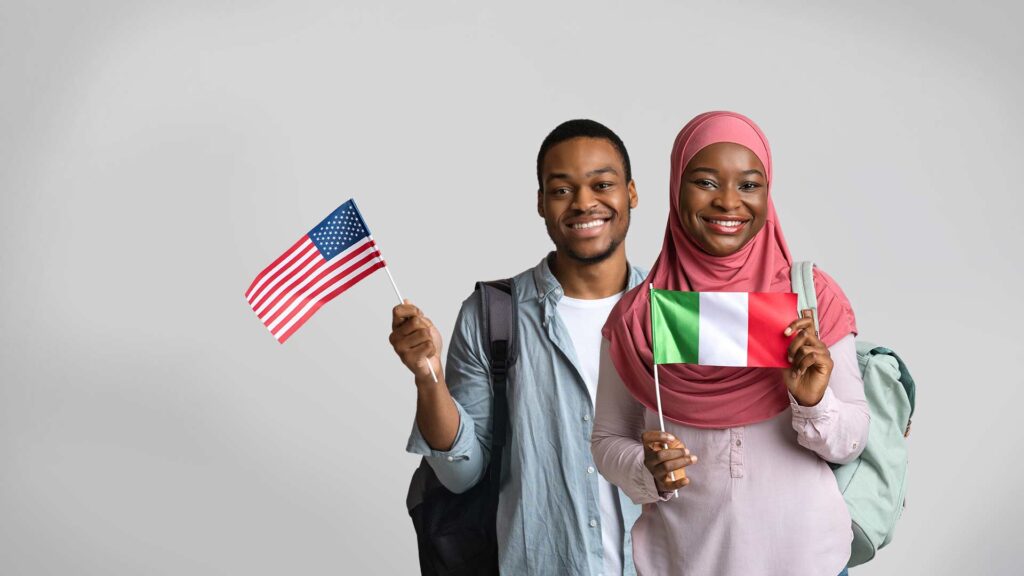
More people live outside their birth countries now than ever before. Immigrants and refugees face unique mental health challenges. Their struggles stem from experiences in their home countries, migration, and the difficulties they face while settling in new homes. These groups show much higher rates of mental health conditions than local populations.
Immigrants make up 24% of the U.S. population (40 million immigrants and 35 million children of foreign-born parents). New York State houses about 4.2 million immigrants. This makes it a crucial hub for specialized mental health services. New York ranked among the top three states for refugee resettlement in 2019.
These communities face substantial mental health issues. One-third of refugees and asylum seekers deal with high rates of depression, anxiety, and post-traumatic stress disorder. Children of Asian, Pacific Islander, and Latinx immigrants show much higher rates of these conditions than children of white European immigrants.
These communities need help, yet immigrants use mental health services less frequently than non-immigrants. They face several barriers to getting proper care:
- Cultural and linguistic differences
- Limited financial resources and insurance coverage
- Stigma surrounding mental health
- Lack of trust in service systems
- Shortage of culturally competent providers
Immigrant and refugee mental health counselors play a vital role. They offer culturally-informed approaches that help with social and emotional adjustment. These professionals help clients direct complex healthcare and social service systems. They also address traumatic experiences from before, during, and after displacement.
Working as an immigrant and refugee mental health counselor in NY is a chance to help underserved communities. This role needs deep understanding of forced displacement, cultural sensitivity, and complex factors affecting immigrant mental health. These factors include acculturative stress and ongoing political uncertainties that create anxiety among immigrant populations.
Blueprint Including Education
A career as an immigrant and refugee mental health counselor in NY starts with a master’s or doctoral degree in counseling. You need 60 semester hours from a program registered by the NY State Education Department, accredited by CACREP, or considered equivalent.
Your educational program must include coursework in:
- Human growth and development
- Social and cultural foundations of counseling
- Counseling theory, practice, and psychopathology
- Group dynamics and career development
- Assessment and appraisal techniques
- Research, ethics, and foundations of mental health counseling
You’ll need to complete a supervised internship or practicum that lasts one year and takes at least 600 clock hours. After that, you must complete 3,000 hours of post-master’s supervised experience. Half of these hours should be spent in direct client contact.
Students who want to focus on immigrant and refugee mental health can find specialized training programs. George Washington University’s Global Mental Health Program lets psychiatry residents train at the Multicultural Human Services Program that serves immigrants and refugees. St. Thomas University’s program has specialized coursework, research opportunities, and field placements in immigrant communities.
Students should seek supervised experience with immigrant and refugee populations during their internship and post-graduate practice. Programs emphasize that this hands-on experience helps develop cultural competence and trauma-informed approaches that are essential when working with these communities.
Successful counseling of immigrant and refugee populations demands field experience that goes beyond classroom learning. Aspiring counselors should look for internship placements at community organizations that serve various immigrant groups.
New York offers excellent hands-on learning opportunities through refugee resettlement agencies, immigrant advocacy centers, and multicultural counseling clinics. These placements help counselors build cultural competency as they apply their knowledge in real-life settings.
Licensed professionals typically complete these steps after their education:
- Get limited permit to practice under supervision
- Accumulate required supervised experience hours
- Pass the National Clinical Mental Health Counseling Examination (NCMHCE)
- Apply for New York State licensure as Mental Health Counselor (LMHC)
Counselors develop specialized expertise by focusing on immigrant and refugee populations during their training period. Many enhance their skills through workshops and certificate programs from respected institutions like the National Child Traumatic Stress Network or Harvard Program in Refugee Trauma.
Most aspiring counselors start by volunteering with community organizations that help new Americans. This early hands-on work strengthens their cultural awareness and confirms their dedication to supporting these vulnerable populations.
Basic Skills Needed
Mental health counselors working with immigrants and refugees need essential skills beyond basic counseling abilities. Their most important skill is cultural awareness and sensitivity. These counselors must review their own cultural beliefs and biases to understand how they affect their interactions with refugee clients. This self-awareness helps them avoid assumptions about other cultures.
Strong communication skills play a crucial role. Counselors need to adapt their speaking style and write clear client notes when their clients don’t speak English as their first language. They should also understand how different cultures use non-verbal communication. Many immigrants and refugees might not be familiar with counseling, so building trust through respectful interaction becomes essential.
Active listening is at the core of effective counseling. This skill becomes particularly important with refugee populations because counselors need to be mindful of power differences in refugee-provider relationships. Creating safe spaces requires careful attention to refugees’ past trauma.
Counselors also need fundamental knowledge about their clients’ cultural background. This knowledge has to cover cultural and religious beliefs, ethnic identities, and languages. Understanding refugees’ experiences and their home countries’ social-historical context makes a big difference. Learning about various cultures can be challenging, but effective counselors develop ways to get specific knowledge that helps them provide better services.
Advanced Skills Needed
Mental health counselors working with immigrants and refugees need specialized advanced skills beyond basic competencies. Multicultural competence represents a continuous trip with “risk, adventure and discovery” rather than a final destination. Counselors must break down their long-held assumptions and biases that limit cross-cultural sensitivity.
Trauma-informed care is the substance of advanced skills since approximately one-third of asylum seekers and refugees suffer from depression, anxiety, and PTSD. This comprehensive approach recognizes trauma’s effects through confirmed screening tools in the patient’s native language.
Culturally skilled counselors should reflect on their own biases through honest self-assessment about power, privilege, and blind spots. They need to adapt therapeutic methods specifically for immigrant populations by incorporating:
- Culturally specific practices and metaphors
- Traditional healing approaches
- Narrative therapy techniques
- Strengths-based interventions
Working effectively with interpreters requires pre-session briefing and extra time for interpretation. Counselors also need expertise in task-sharing approaches. These approaches redistribute care from specialists to trained community members who bridge the gap between immigrant communities and formal healthcare systems.
Advanced practitioners ended up developing what research calls “cultural humility” – they stay curious instead of making assumptions about their client’s experiences in sociopolitical contexts beyond Western-centric frameworks.
Salary and Job Expectations
Mental health counselors working with immigrant and refugee populations in New York can expect promising financial opportunities. Licensed Mental Health Counselors in New York City earn an average of $82,475 ($39.65 per hour), placing them solidly in the metropolitan area’s upper-middle income bracket.
Experience and specialization significantly impact salary ranges. Most Licensed Mental Health Counselors earn between $64,000 (25th percentile) and $96,300 (75th percentile), while top performers can make up to $111,044 annually. Professionals who work with refugee populations through organizations like U.S. Committee for Refugees and Immigrants receive roughly $72,239 per year.
Job prospects show remarkable potential in the coming years. The industry projects an 18% growth rate from 2022 to 2032, which substantially exceeds the 3% average for other occupations. This growth will create about 42,000 new positions yearly over the decade.
Organizations now offer attractive benefits packages to secure qualified talent. Recent data shows 46% of employers provide signing bonuses, while 37% offer educational funds, and 29% help with student loan repayment.
Professionals can choose between full-time and part-time roles in settings of all types – from community health centers and hospitals to outpatient facilities and private practices. Success in this field depends heavily on expertise with trauma-informed practices and experience serving immigrant communities.
Certifications and Licensing
New York state has specific regulatory requirements that mental health counselors must meet to get their license. Candidates need to complete their education and supervised experience before taking the National Clinical Mental Health Counselor Examination (NCMHCE). The exam costs $275.00.
A counselor’s license application and first registration costs $371.00. Note that practitioners can get a limited permit for $70.00 to practice under supervision while they complete their requirements. These permits last two years and can be extended twice, each time for one year under specific conditions.
Licensed mental health counselors must complete 36 hours of approved continuing education every three years to maintain their registration. Self-study activities can only account for one-third (12 hours) of the total requirement.
Mental health counselors who work with immigrants and refugees can choose from several organizations that provide relevant continuing education:
- Relias has courses on “Improving Behavioral Health Equity: Immigrant and Refugee Populations” with NY State Education Department approval
- Continued provides ethics training focused on working with immigrant populations
These specialized continuing education programs help counselors maintain their license while building expertise in immigrant and refugee mental health. Professional development plays a key role in providing quality care to these unique populations throughout a counselor’s career.